
 Our Dermatologists
 Our Providers
 Our Staff
 Specials
 Financing
 Pay Bill Online
Waxing
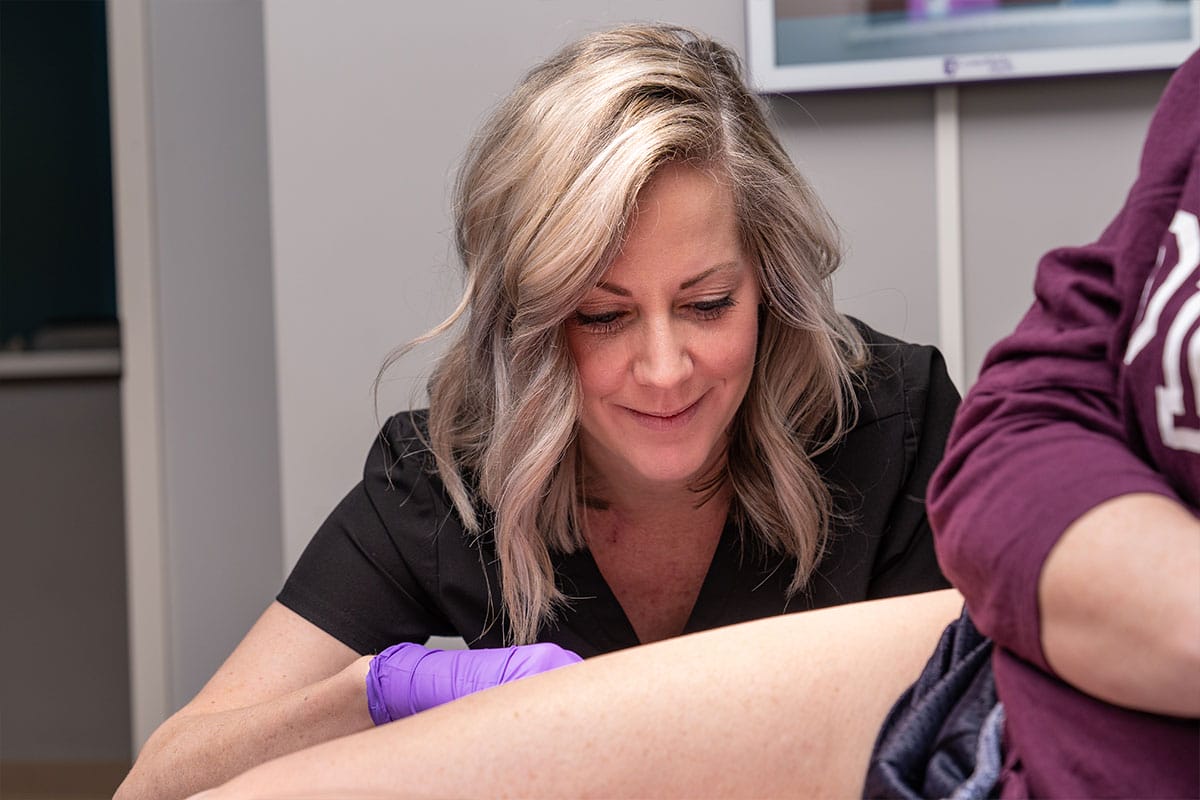
Waxing is a treatment used for removing unwanted hair from the body. Wax is spread over the desired area of the body and when it is removed, the hair goes with it. There are two main kinds of waxing: soft waxing and hard waxing. With soft waxing, the wax is spread more thinly on the body and paper strips are used to remove the wax and hair. With hard waxing, the wax is spread thickly on the body. The wax then cools and hardens, trapping the hair inside the wax for removal. With waxing, hair will not grow back for several weeks.
This procedure is ideal for removing embarrassing hair from the body. It is also the best way to deal with a large amount of unwanted hair in one treatment. Virtually any part of the body can be waxed, including sensitive areas. Although waxing can be done at home, professional waxing is recommended for best results.
Tinting
Tinting is a procedure for darkening hair, typically the hair of the eyebrows or eyelashes. During the tinting procedure, a small applicator, such as a q-tip, is used to apply the dye. Tinting will leave your lashes and eyebrows darker for up to several weeks.
Aging, sun exposure, and other factors can lighten eyebrow and eyelash color over time, but tinting restores lost color. The result is a more youthful and healthier look. Tinting lends a more natural look to eyebrows and eyelashes than other solutions. For best results, it is important to see a professional for tinting services.
Waxing & Tinting FAQ
Universal Dermatology offers professional waxing to remove unwanted facial and body hair. Tinting services are available to temporarily darken eyebrow or eyelash hair, helping the brows and lashes appear fuller and more defined. Contact our office to confirm the availability of a specific treatment area or service.
Waxing can be used on many areas of the face and body, including the eyebrows, upper lip, chin, arms, legs, underarms, back, chest, stomach, and bikini area. Available treatment areas may vary, so ask our team about the service you’re considering when scheduling.
Waxing results commonly last several weeks because the hair is removed from the root. Many patients schedule appointments every three to six weeks, although the timing depends on the treatment area, individual hair-growth cycle, and desired results.
Waxing can cause brief discomfort when the hair is removed, but the sensation usually passes quickly. Sensitivity varies by person and treatment area. Temporary redness or tenderness may occur after the appointment.
Hair should generally be about one-quarter inch long so the wax can grip it effectively. Avoid shaving the treatment area for approximately two to three weeks before your appointment, depending on how quickly your hair grows.
Arrive with clean, dry skin free of lotions, oils, and self-tanner. Avoid sun exposure and aggressive exfoliation before your appointment. Tell your provider about any prescription medications, retinoids, acne treatments, chemical peels, or other products that could make your skin more sensitive.
Retinoids and certain acne medications can make the skin more fragile and increase the risk of irritation or skin lifting during waxing. Tell your provider about all topical and oral medications before treatment. Do not stop a prescribed medication without consulting the clinician who prescribed it.
Waxing may be possible for people with sensitive skin, but it can cause temporary redness, tenderness, or irritation. Let your provider know about skin sensitivities, allergies, active rashes, sunburn, recent cosmetic treatments, and the skincare products or medications you use before your appointment.
Tinting applies specially formulated cosmetic color to eyebrow or eyelash hair. It can make lighter hairs look darker and help the brows or lashes appear fuller and more defined. Tinting changes the color of the existing hair but does not stimulate hair growth or permanently alter it.
Tinting results generally last several weeks and gradually fade as the hairs grow and naturally shed. Longevity varies based on hair growth, skincare products, sun exposure, cleansing habits, and the area treated.
Waxing and tinting can often be combined during one appointment. Your provider will determine the appropriate treatment order and whether your skin is suitable for both services that day.
Keep the area clean and avoid touching or exfoliating it unnecessarily. For approximately 24 hours, avoid hot baths, saunas, intense exercise, tanning, prolonged sun exposure, and fragranced products on the treated skin. Follow any personalized aftercare instructions provided during your appointment.