
 Our Dermatologists
 Our Providers
 Our Staff
 Specials
 Financing
 Pay Bill Online
Microneedling improves the condition of the skin in all facets. While it is a popular treatment for anti-aging, including removing fine lines and wrinkles, it is also an excellent choice for clearing up acne scarring. It can also improve loose skin and uneven skin texture, reduce pore size, and eliminate dark spots, stretch marks, and unnatural pigmentation.
Although this remedy is most commonly known as micro-needling, it is also referred to as Collagen Induction Therapy (CIT) or Percutaneous Collagen Induction (PCI) because it helps stimulate collagen growth.
How It Works
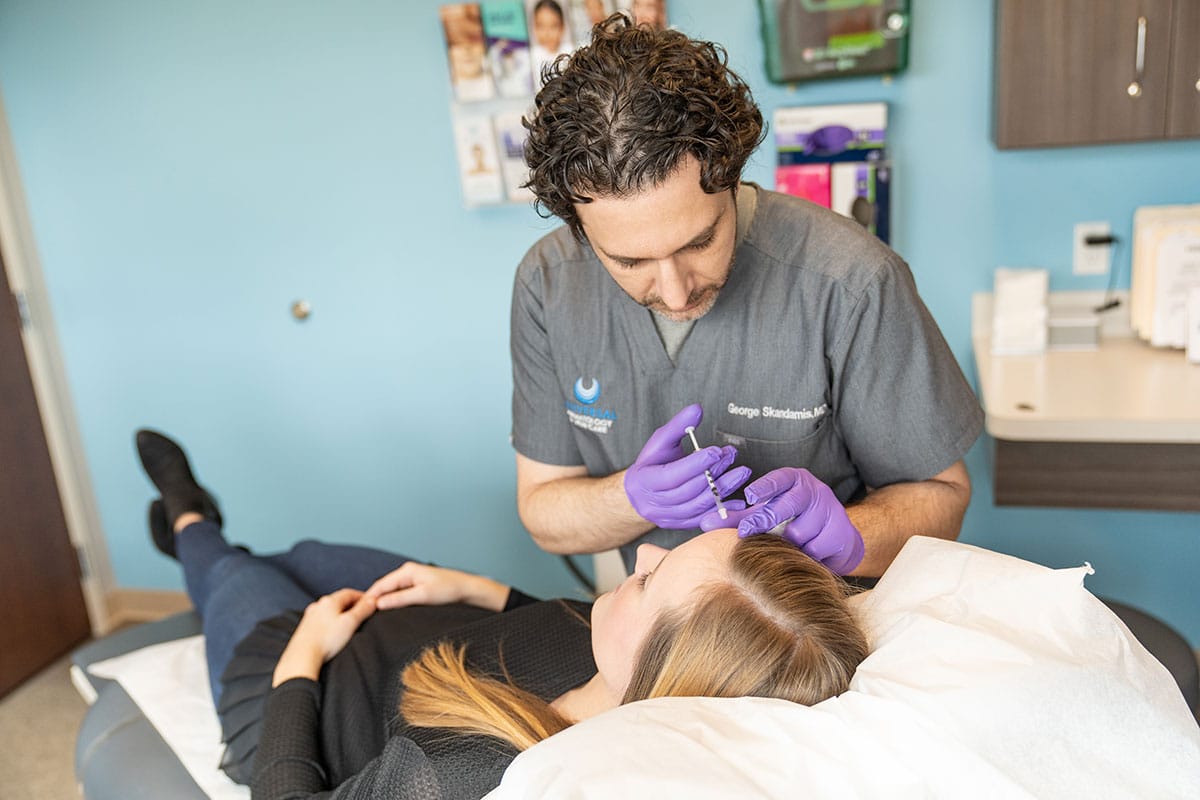
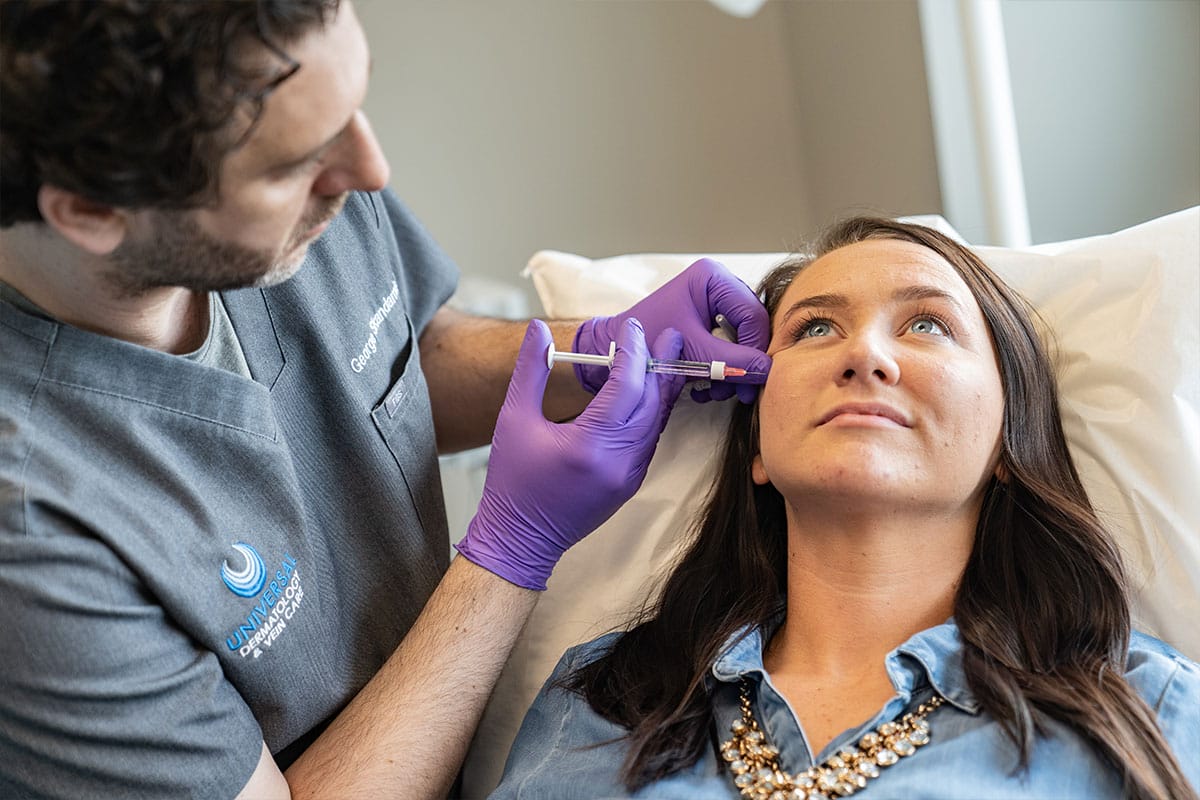
First, we apply an anesthetic cream along with a light layer of water to lubricate the skin’s surface. The water will make gliding the derma roller a lot easier. The roller will create small holes or micro-injuries to help reveal youthful skin. Each session lasts around 30 minutes. It is important to not use any skin care products for 24 hours since needling boosts absorption.
The treatment causes skin redness, so please allow a few days for the skin to heal. The results will be apparent a few days after that. The collagen production that microneedle therapy stimulates happens in a span of weeks or months, so expect more changes over time.
While this procedure is not a quick fix, your skin will look better long-term.
You will also need several treatments and the number of sessions will depend on your goals. This will be somewhere between three to six sessions to get the best results. If you want to get rid of stretch marks, wrinkles, and scarring, we usually suggest six or more sessions.
Microneedling FAQ
Microneedling, also known as collagen induction therapy, is a minimally invasive cosmetic procedure that uses small, sterile needles to create controlled microchannels in the skin. This process activates the skin’s natural healing response and may improve its texture and overall appearance.
Microneedling may improve the appearance of fine lines, facial wrinkles, acne scars, enlarged pores, and uneven skin texture. Whether it is appropriate depends on the condition being treated, your skin type, and the device used. Your provider will evaluate your skin and recommend a personalized treatment plan.
Microneedling triggers a controlled healing response that supports new collagen and elastin production. As the skin remodels, fine lines, wrinkles, and uneven texture may become less noticeable, creating a smoother and firmer-looking appearance.
Yes. Universal Dermatology offers professional microneedling treatments for patients in Central Ohio. The practice has offices in Lewis Center and Mount Vernon. A consultation is required to determine whether microneedling is appropriate for your skin and treatment goals.
A topical numbing medication is generally applied before treatment to make the procedure more comfortable. Patients may feel pressure, vibration, or mild discomfort during treatment. Tenderness, redness, or sensitivity may occur afterward.
The microneedling portion of the appointment generally takes approximately 30 minutes, although the complete visit may take longer to allow for preparation and topical numbing. Treatment time also depends on the size and number of areas being treated.
Redness, mild swelling, dryness, tightness, or sensitivity commonly occurs after microneedling. These effects often improve within several days, but recovery varies according to treatment depth and individual response. Your provider will explain what to expect based on your treatment plan.
Some patients notice an improvement after the initial redness and sensitivity subside. However, collagen remodeling develops gradually, so changes may continue appearing over the following weeks or months. Results vary, and more than one treatment may be needed.
Universal Dermatology commonly recommends a series of approximately three to six treatments, depending on the skin concern and desired outcome. Concerns such as acne scars, wrinkles, or stretch marks may require additional sessions. Your provider will recommend a plan after evaluating your skin.
Treatments must be spaced far enough apart to allow the skin to heal properly. The recommended interval depends on the treatment depth, skin condition, and individual response. Your provider will determine a safe schedule for your treatment series.
Microneedling may not be appropriate for patients with an active skin infection, open wounds, certain inflammatory skin conditions, a history of abnormal scarring, bleeding disorders, or a weakened immune system. It may also be unsuitable for patients taking blood-thinning medications. Tell your provider about all health conditions, medications, allergies, pregnancy, and any history of cold sores before treatment.
Common temporary effects include redness, swelling, tightness, tenderness, itching, peeling, bruising, or pinpoint bleeding. Less common risks include infection, pigment changes, scarring, and cold-sore flare-ups. Choosing a trained healthcare provider and following aftercare instructions can help reduce these risks.
Follow the aftercare instructions provided by your Universal Dermatology provider. Protect the treated skin from sun exposure and avoid makeup or potentially irritating products until your provider says they can be resumed. Products containing retinol, glycolic acid, alcohol, or other active ingredients may irritate the skin while it heals.